Uncategorised
TLP211-3PHASE (LIBERTY 211) Installation Guide
TLP211-3PHASE (LIBERTY 211) Installation Guide
PEWM (DN15, DN20) Pulse Enabled Water Meter Datasheet
PEWM (DN15, DN20) Pulse Enabled Water Meter Datasheet
PS Plastic Pull Through Seals from PJW Meters
PS Plastic Pull Through Seals from PJW Meters
DRTCT (SDM630MCT) Din Rail Three Phase CT OP Series Datasheet
DRTCT (SDM630MCT) Din Rail Three Phase CT OP Series Datasheet
PZEMC100 and PZEMC100i (EMC100i) 100A Three Phase Voltage Optimiser Datasheet
PZEMC100 and PZEMC100i (EMC100i) 100A Three Phase Voltage Optimiser Datasheet
CT3X1 Three Phase Current Transformers
CT3X1 Three Phase Current Transformers
PZEMC160 and PZEMC160i (EMC160) 160A Three Phase Voltage Optimiser Datasheet
PZEMC160 and PZEMC160i (EMC160) 160A Three Phase Voltage Optimiser Datasheet
PZEMC100-WM (EMC100-WM) 100A Three Phase Voltage Optimiser Datasheet
PZEMC100-WM (EMC100-WM) 100A Three Phase Voltage Optimiser Datasheet
PLG650 (ZMD410) Landis + Gyr Three Phase Electricity Meter User Manual
PLG650 (ZMD410) Landis + Gyr Three Phase Electricity Meter User Manual
DR145-1MOD-C (DDS353) MID 45A Din Rail kWh Meter Datasheet
DR145-1MOD-C (DDS353) MID 45A Din Rail kWh Meter Datasheet
DR2100-WF (SDM230 WIFI) MID Din Rail Single Phase WiFi Meter Datasheet
DR2100-WF (SDM230 WIFI) MID Din Rail Single Phase WiFi Meter Datasheet
DRT100-WF (SDM630 WIFI) Din Rail Three Phase WiFi Meter Datasheet
DRT100-WF (SDM630 WIFI) Din Rail Three Phase WiFi Meter Datasheet
Cost of the App: £11.99 per meter, per year. First year included.
PT60 60A Coin Timer Programming Guide
PAV2-690 (ACUVIM II 690V) High Voltage L to L CT Power & Energy Meter Datasheet
PAV2-690 (ACUVIM II 690V) High Voltage L to L CT Power & Energy Meter Datasheet
GSMS Galvanised Stand Type Mounting Stake
GSMS Galvanised Stand Type Mounting Stake
CTSS-MV (CTV2X 333MV) 333mV Split CT Datasheet
CTSS-MV (CTV2X 333MV) 333mV Split CT Datasheet
RCTSS (RIK-5A) Rogowski Rope CT User Manual
RCTSS (RIK-5A) Rogowski Rope CT User Manual
PJW Electric Hookup Mounting Stakes
PJW Electric Hookup Mounting Stakes and Frames
Composite Posts made from recycled plastic
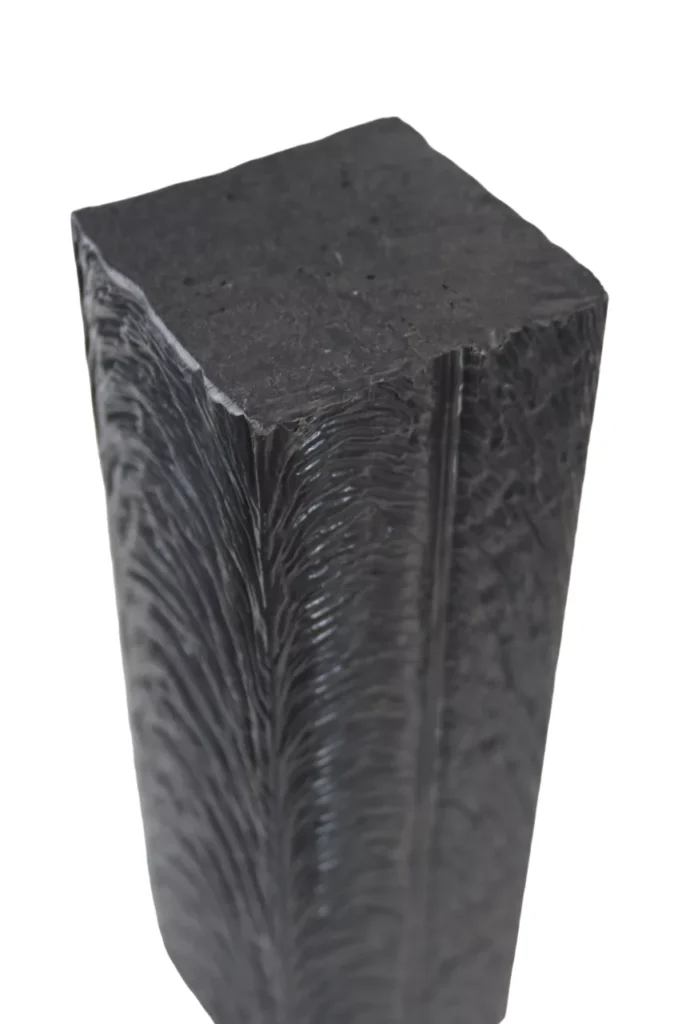
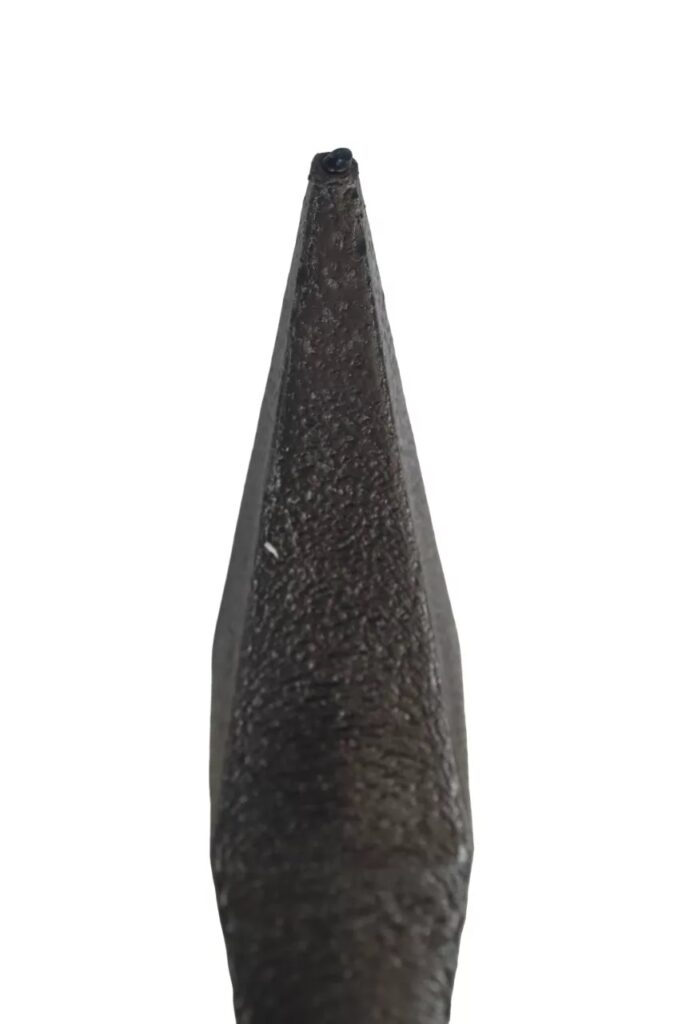

Dimensions 90 x 90 x 1800mm, avaialable with or without spike.
- Handmade in Devon from 100% Recycled Plastic
- Easy to cut
- Rot, rust, water & frost-proof
- Weather, insect and vandal resistant
- Easy to wipe clean or jet wash
Galvanised Stakes and Frames
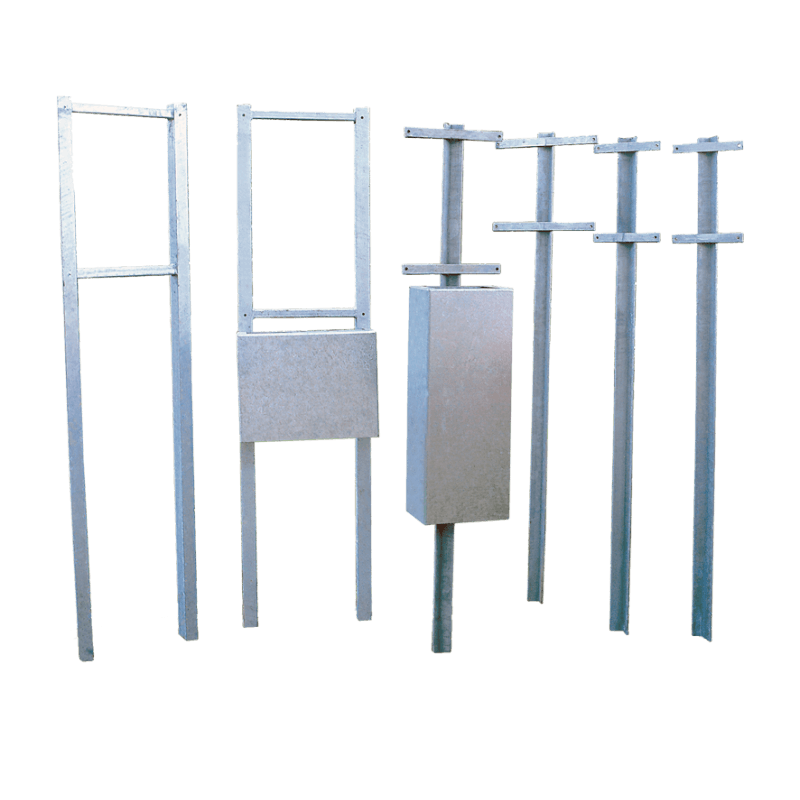
- Heavy-duty galvanized mounting stakes and frames available for all enclosures.
- Connection unit stakes offered in 1200mm, 1500mm, and 1700mm heights.
- Galvanized mounting frames for distribution units available in:
- Open-front format
- PVC-shrouded design to cover the gap between the enclosure base and ground level
- Custom sizes designed and manufactured upon request.
Galvanised Stand Type Mounting Stake
PO-S2M (ORSIS S2-M) Datasheet
PO-S2M (ORSIS S2-M) Datasheet
QS-CA (Qualistar C.A.) Power Analysers Datasheet
QS-CA (Qualistar C.A.) Power Analysers Datasheet
PELOG-103 (PEL-103) Energy Logger Guide
PELOG-103 (PEL-103) Energy Logger Guide
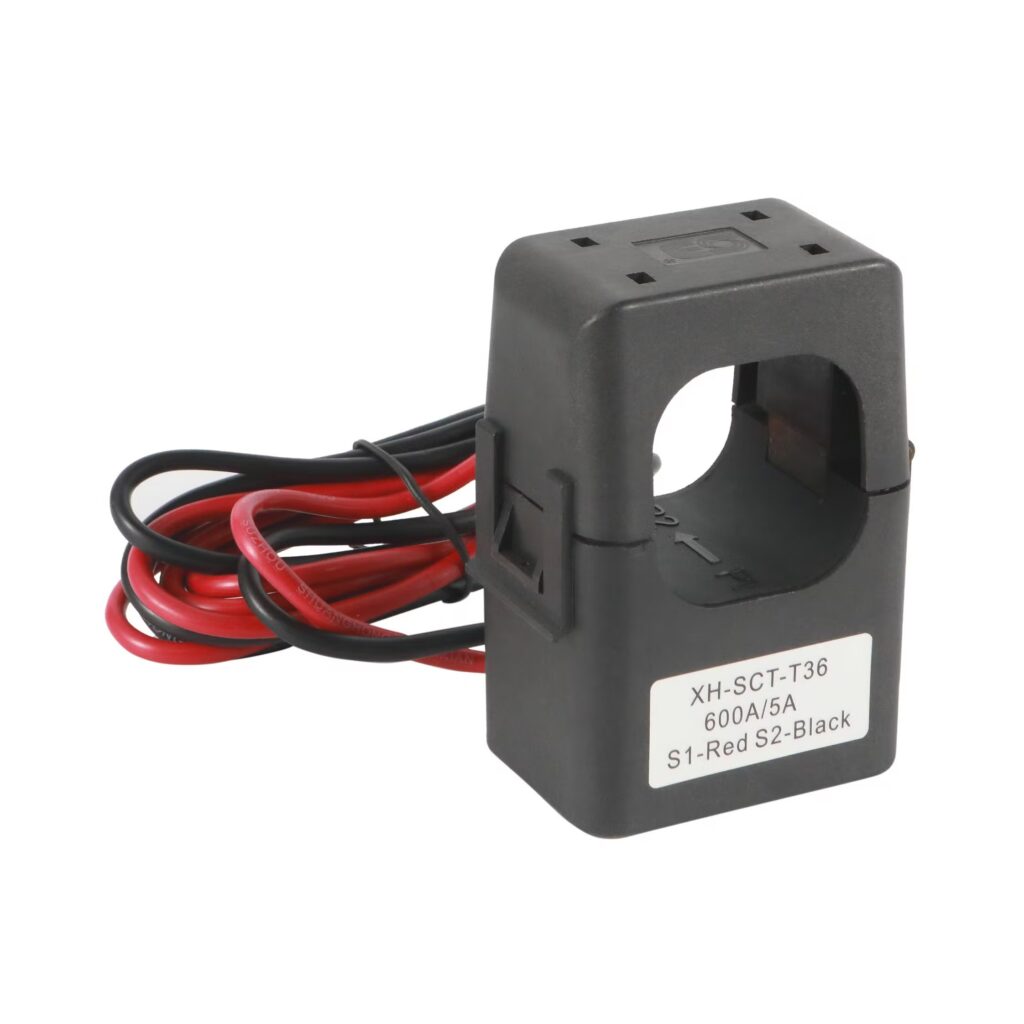
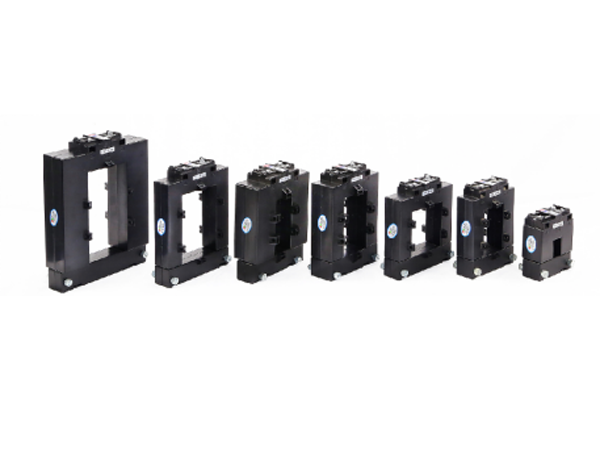
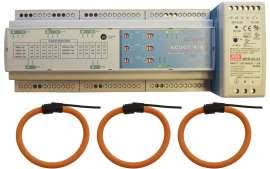
Split Type Current Transformers
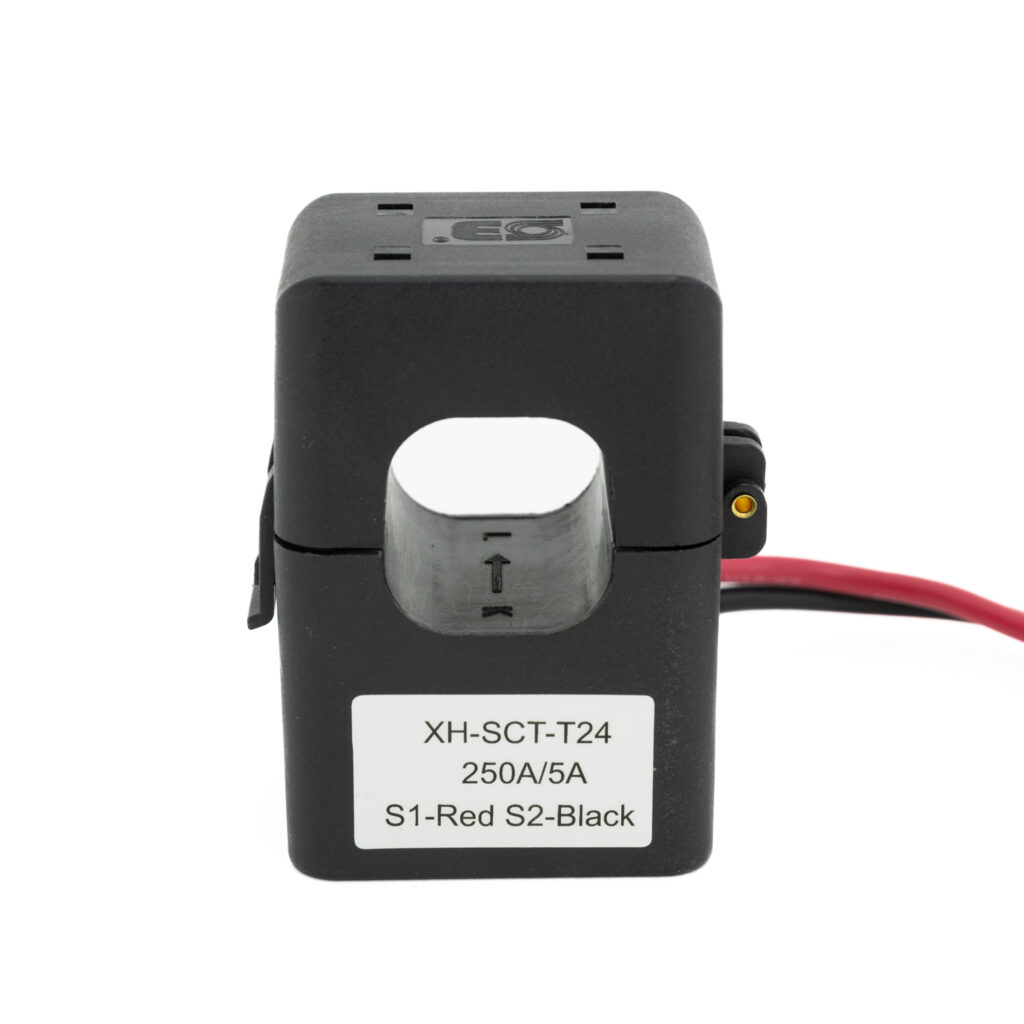
CHU16 and CHU32 Electric Hookup Datasheet
CHU16 and CHU32 Electric Hookup Datasheet
Mounting Stakes available in Recycled Plastic composite, or traditional galavanised metal.
MT174-T1 (IM3-CT) and DRTCT (SDM630MCT) Wiring Instructions
How to install an IM3-CT (ISKRA MT174-T1) and DRTCT (SDM630MCT)
Sustainability
Sustainability at PJW Meters

PJW’s sustainability agenda includes:
- Reducing our reliance on paper through digitalisation.
- Using more than 90% recycled products in our packaging, from biodegradable air bags to recycled cardboard.
- Through our waste management we support an initiative that diverts over 40,000 tonnes of waste away from landfill
- Driving plug-in hybrid electric vehicles
- Reducing the number of miles driven annually by 75%
- Increased our use of public transport and good old fashioned human power!
- Using recycled plastic in our composite Electric Hookup mounting stakes.
- Retrofitting products wherever possible to refrain from full system upgrades. Examples include adapting existing hookup pedestals, or adding data collection devices to pre-installed metering systems.
- By helping businesses understand their energy consumption through sub-metering has helped save thousands of tonnes in CO2.
- Helping businesses account for energy consumption not only increases their revenue, but makes their clients more mindful of their energy use, leading to a reduction in usage.
- Supporting the renewables sector, and distributing renewable products to help businesses reduce their dependence on grid power.
- Signing up to the Ecovadis platform, with the aim of achieving our long-term sustainability goals, along with ISO14001 and eventually B Corp certified.
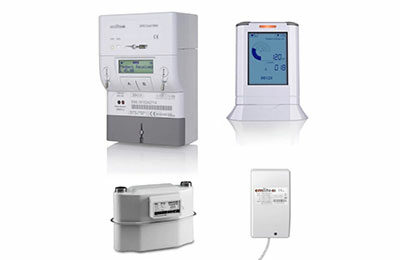
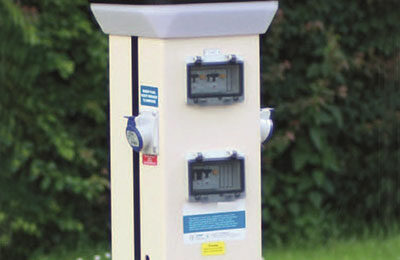
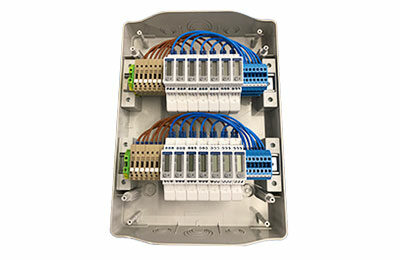
Our Best-Selling Pre-wired Solutions
Exciting products coming your way, keep checking back 😁
Check out our other Pre-wired product pages:
Products and Datasheets
Responding to Emergency Boiler Failures in Care Homes
Responding to Emergency Boiler Failures in Care Homes


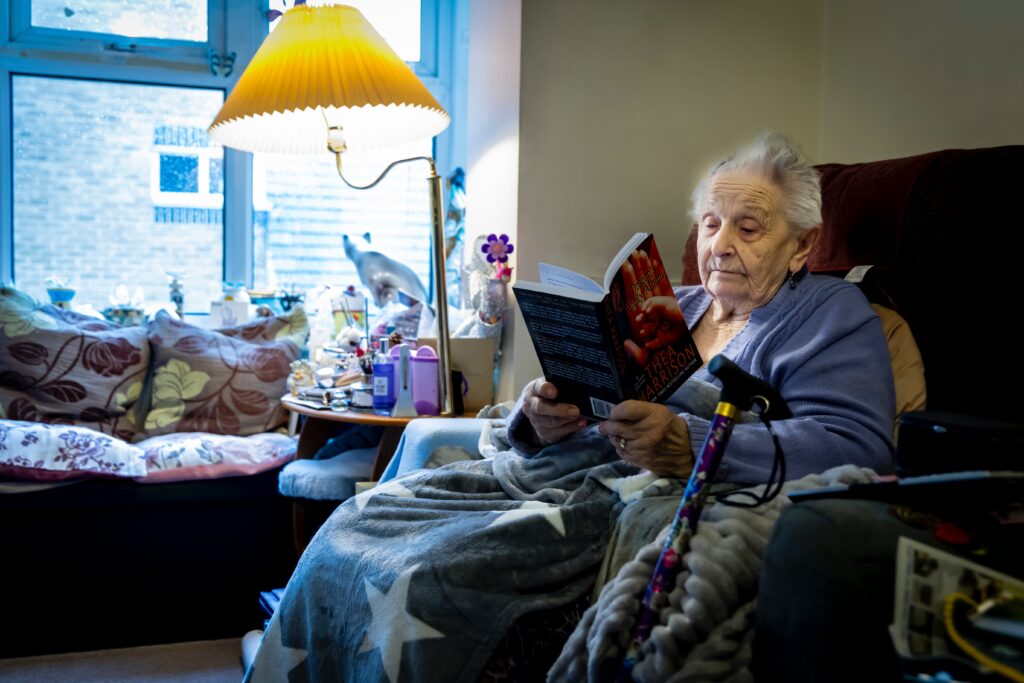
Care homes play a critical role in providing a safe and comfortable environment for vulnerable individuals. A well-functioning boiler system is essential to maintain suitable living conditions for residents. Emergencies such as boiler failures can be disruptive and distressing to residents, in some cases leading to potential evacuation or closure. In this article, we explore strategies to minimize downtime, prevent closures, and ensure the safety of residents in the face of emergency boiler failures.
Emergency Preparedness
Prevention is the first step. Regular boiler maintenance and servicing are vital to prevent unexpected breakdowns. Establishing an ongoing maintenance schedule with qualified professionals helps identify potential issues before they escalate into emergencies. Some things you can do:
Set up a metering system to detect upcoming problems
Have contact numbers handy, rental and repair
Monitoring Systems
Investing in a good monitoring system can provide real-time insights into the performance of your boiler. These systems can detect early signs of malfunction, enabling you to take proactive measures to prevent a complete breakdown. Remote monitoring also allows for quicker response times as the issue can be identified without delay.



Emergency Response Plan
Having a well-defined emergency response plan in place is crucial. This plan should outline the steps to be taken in case of a boiler failure. Assign responsibilities to staff members, ensure they are trained in emergency procedures, and regularly conduct drills to keep everyone prepared.
Emergency Contacts
Maintain an updated list of emergency contacts, including boiler rental option as 1st point of call, boiler technicians, maintenance companies, and local authorities. Having a readily available list of professionals who can quickly respond to your call can significantly reduce downtime.
Boiler rental – Temporary Heating Solutions
In case of a boiler failure, having temporary heating solutions on standby can make a substantial difference. Portable heaters and temporary boilers can provide immediate warmth while repairs are being carried out. These arrangements can help maintain a comfortable living environment for residents, avoiding the need for evacuation.
Communication
Effective communication is key during such emergencies. Keep residents, their families, and staff informed about the situation and the measures being taken. Transparency builds trust and reassures everyone that their well-being is a top priority.
Rapid Boiler Repair Services
Establish a partnership with boiler repair companies that offer rapid response services. When selecting a repair service, prioritize those that can guarantee swift assistance, especially during critical situations.
Regulatory Compliance
Stay informed about the regulations and standards set by local authorities for care homes. Compliance is not only essential for the safety of residents but also for avoiding penalties or closure due to violations.
Insurance Coverage
Ensure that your care home has comprehensive insurance coverage that includes boiler breakdowns. Insurance can provide financial assistance to cover the costs of repairs, temporary heating solutions, and any potential loss of income due to downtime.
Emergency boiler failures can pose significant challenges to the operations of care homes. However, with careful planning, regular maintenance, and swift responses, these challenges can be effectively managed. By adopting a proactive approach, care homes can minimize downtime, prevent closures, and most importantly, ensure the safety and well-being of their residents even in the face of unexpected emergencies
PJW have partnered with Metric at UK Boiler Hire. Should you need this service, please call them at
01752 346 767
If you need a Meter, call us at 01626 368595
Thank you for reading !
Care Home Resident Safety: The Role of Monitoring water with utility Meters
Care Home Resident Safety: The Role of Monitoring water with Utility Meters


Care homes serve as vital sanctuaries for our elderly population, providing them with the care and comfort they deserve in their golden years. However, ensuring the safety and well-being of residents goes beyond just medical attention. One critical aspect often overlooked is the benefit of monitoring water with utility meters in care homes. Utility meters have emerged as essential tools in safeguarding residents from potential threats like Legionella infections, scalding, freezing, flooding, and leaks.
Equally important is that all energy appliances are in good working order, and this includes boilers. In care home settings, the use of a boiler for heating, hot water, cooking and so on is essential. Your residents rely on this for the most basic of their necessities.
Let’s explore how boilers and meters together keep your residents safe and comfortable.
Legionella Prevention: A Battle Worth Fighting
Legionella, a bacteria responsible for causing Legionnaires’ disease, can proliferate in water systems, especially in warm and stagnant water. The elderly, with weakened immune systems, are particularly susceptible to this respiratory illness. Monitoring hot water systems with utility meters allows care homes to maintain water temperatures at levels that discourage Legionella growth. By ensuring water is heated and circulated appropriately, the risk of a Legionella outbreak can be significantly reduced, protecting residents from potential harm.
Defending Against Extremes: Scalding and Freezing
Elderly individuals often have diminished sensitivity to temperature, making them vulnerable to scalding from hot water or discomfort from freezing cold water. A well functioning boiler, coupled with relevant utility meters equipped with temperature sensors act as guardians against such extremes. These sensors can detect deviations from safe temperature ranges and trigger alarms, prompting immediate action. This preventive measure helps avert incidents of burns due to overly hot water and shields residents from the discomfort and potential health issues caused by exposure to cold water.
Flooding and Leak Detection: Preserving Comfort and Safety
The unpredictability of water leaks or flooding can disrupt the peaceful environment of care homes. Utility meters with leak detection capabilities serve as vigilant protectors, swiftly identifying even the smallest leaks. This proactive approach not only prevents potential flooding disasters but also maintains the overall comfort and well-being of residents by ensuring that their living spaces remain dry and hazard-free.
Data-Driven Insights: Empowering Informed Decision-Making
Utility meters do more than just provide real-time monitoring; they generate valuable data that can be analyzed to uncover patterns and trends. Care home administrators can leverage this data to make informed decisions about water usage, system maintenance, and potential upgrades. By identifying areas of inefficiency or vulnerability, administrators can take proactive steps to optimize water systems and enhance safety measures, ultimately enhancing the quality of care provided to residents.
Challenges and Implementation
While the benefits are clear, the implementation of utility meters in care homes isn’t without challenges. Initial setup costs, staff training, and integration with existing infrastructure require careful consideration. However, these challenges are overshadowed by the long-term advantages in terms of resident safety and operational efficiency. Many care homes are recognizing the importance of these meters and are gradually incorporating them into their facilities.
A Holistic Approach to Resident Care
In the pursuit of creating a safe and nurturing environment for care home residents, the integration of utility meters for water monitoring is a significant stride. This approach aligns with the holistic nature of elderly care, addressing not only medical needs but also environmental factors that contribute to residents’ overall well-being.
A Safer Future for Care Homes; The Role of Monitoring water with Utility Meters
As technology continues to advance, the capabilities of utility meters will likely expand even further. Integration with smart systems and artificial intelligence could enable predictive maintenance, allowing care homes to address potential issues before they escalate. Remote monitoring and control might become more accessible, streamlining operations and minimizing disruptions.
In conclusion, care homes crucially need access to a working boiler in good condition. Should a boiler malfunction or break down, it will need to be repaired or replaced, and proper measures, such as renting a boiler temporarily, need to be implemented to ensure minimal disruption.
The use of utility meters for monitoring hot and cold water systems is a game-changer for care homes. It serves as a shield against Legionella infections, scalding, freezing, flooding, and leaks. By embracing these meters, care homes not only prioritize resident safety but also enhance operational efficiency. As the care home industry evolves, the integration of such innovative technologies will undoubtedly play a pivotal role in shaping a safer and more secure future for our elderly population.
PJW have partnered with Metric at UK Boiler Hire. Should you need this service, please call them at 01752 346 767
If you need a Meter, call us at 01626 368595
Thank you for reading !
Uninterrupted Care: Emergency Power Solutions for Care Homes
Uninterrupted Care: Emergency Power Solutions for Care Homes


In care homes, where the well-being of residents is of paramount importance, a continuous and reliable power supply is critical. From medical equipment to lighting and climate control, various aspects of care depend on electricity. This article delves into the significance of emergency power solutions for care homes, covering metering, generators, and Uninterruptible Power Supplies (UPS).
1. Metering for Awareness
Understanding energy consumption patterns is the first step towards efficient emergency power management. Smart metering systems provide real-time insights into power usage. By analyzing this data, care homes can identify peak consumption times, optimize energy usage, and plan for emergency power needs more effectively. This awareness not only saves costs but also aids in optimizing power generation and distribution during outages.
2. Generators: Powering Through Outages
Generators are invaluable assets for care homes to maintain uninterrupted operations during power outages. These backup power sources can be powered by diesel, natural gas, or propane. When the primary power supply fails, generators automatically kick in, ensuring that essential services like medical equipment, lighting, and climate control continue to function.

3. Right-Sizing Generators for Emergency Power Solutions for Care Homes
Choosing the right generator size is crucial. Undersized generators may struggle to meet the power demands, while oversized ones can be inefficient and costly. A professional assessment of the care home’s power needs, including medical equipment requirements, lighting, heating, and cooling, is essential to determine the appropriate generator capacity.
4. Regular Generator Maintenance
Like any machinery, generators require regular maintenance to ensure their reliability. Scheduled inspections, fuel quality checks, and testing the automatic transfer switch are critical to ensuring that the backup power system functions seamlessly when needed.


5. Uninterruptible Power Supplies (UPS)
UPS systems offer short-term power protection and bridge the gap between a power failure and the generator kicking in. They provide crucial time for generators to start up and stabilize. UPS units use batteries to provide instantaneous power, safeguarding sensitive equipment against sudden power interruptions, voltage spikes, and fluctuations.
6. Prioritizing Essential Loads
Not all devices and systems are equally critical during a power outage. Care homes should identify and prioritize essential loads such as medical equipment, emergency lighting, and HVAC systems for backup power supply. By focusing on these priorities, the emergency power system can be optimized for efficiency and effectiveness.
7. Redundancy for Reliability
To ensure an extra layer of reliability, consider incorporating redundancy into emergency power systems. This might involve having backup generators or UPS units that can take over if the primary ones fail. Redundancy minimizes the risk of a complete power failure and enhances the care home’s ability to provide continuous care.
8. Staff Training
An emergency power plan is only effective if the staff is well-trained in its execution. Regular training sessions should cover protocols for power failures, generator operations, and response procedures. Staff members should be able to swiftly transition to backup power and manage the care of residents without disruption.
9. Testing and Drills
Periodic testing of generators and UPS systems is essential to identify any issues and ensure their proper functioning. Conduct simulated power outage drills to train staff on emergency protocols and assess the readiness of the emergency power systems.
10. Collaboration with Professionals
Consulting with experts in power solutions is recommended to design and implement an effective emergency power strategy. Power engineers and technicians can assess the care home’s specific requirements and recommend the most suitable combination of generators, UPS systems, and metering solutions.
In care homes, where lives are entrusted, uninterrupted power is a non-negotiable necessity. From smart metering for efficient usage to backup generators and UPS units for continuous supply, emergency power solutions are the backbone of seamless care. By carefully designing, implementing, and maintaining these systems, care homes can ensure that residents receive the utmost care even in the face of power challenges.