Uncategorised
ELKO EP Relays and Timers
ELKO EP Timers and Relays
As proud partners with ELKO EP, we are excited to introduce a line of ELKO EP Timers and Relays, to be used with our Energy Meters and the INELS Smart Home and Office systems.
ELKO EP Products are not only beautiful, but also designed and manufactured in Europe. Namely, in the Czech Republic.
Timers and relays are used in all electrical and electronic systems for various purposes. Here’s an overview of their functions and applications:
Timers
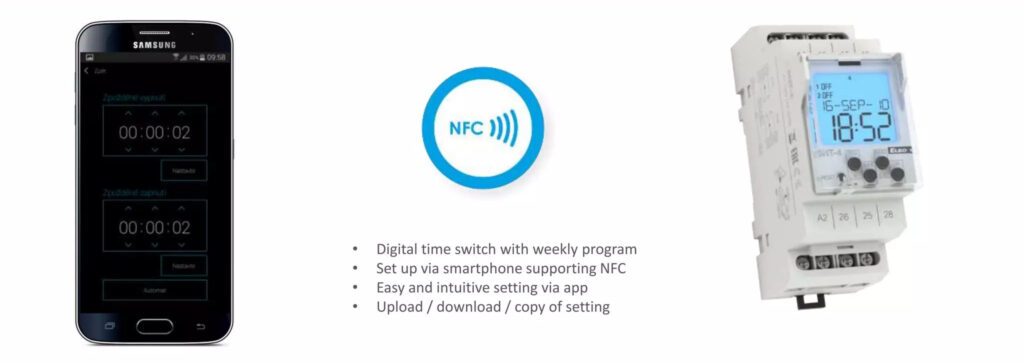
ELKO EP Timers and Relays are designed to automate processes or perform specific tasks at predetermined intervals. These can be things like
- Delaying Activation: Timers can be used to introduce a delay before an action or operation occurs. For example, delaying the start of an appliance to allow for completion at a specific time.
- Interval Timing: Timers can measure specific time intervals. They are used in applications such as cooking timers, heating, indoor or outdoor lighting, even automated garden irrigation, where specific durations can be measured or controlled.
- Sequencing and Synchronization: Timers can be employed to coordinate the timing of multiple appliances, where a sequence of automated sequences can be set up.
Relays
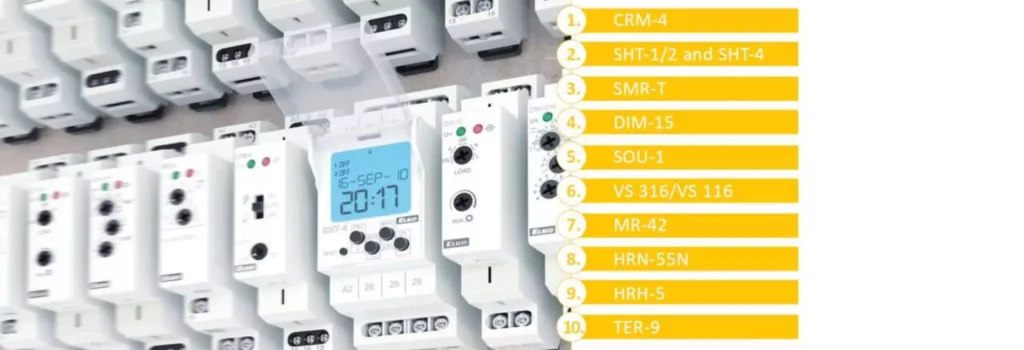
Relays are electrically operated switches that control the flow of electricity in a circuit. They consist of an electromagnet and a set of contacts that open or close based on the energisation of the coil. Relays are utilized for various purposes in homes or business premises, including:
- Control and Automation: Relays are commonly used to control electrical circuits in automation systems. They can switch on high-power devices, such as appliances with motors, based on input signals from sensors or control systems.
- Electrical Isolation: Relays provide electrical isolation between control circuits and high-power or sensitive circuits. This isolation helps protect control components from voltage spikes, electrical noise, or hazardous conditions.
- Safety and Protection: Relays play a vital role in safety systems by monitoring conditions and responding to potential hazards. For instance, in an electrical circuit, relays can detect overcurrent, overvoltage, or fault conditions and trigger protective actions like shutting down the circuit or activating an alarm.
- Signal Amplification: Relays can be used to amplify weak control signals. They take a low-power input signal and switch a higher-power circuit, allowing control signals from microcontrollers or other low-power devices to drive larger loads.
Overall, timers and relays are fundamental components in all electrical and electronic systems, providing timing control, coordination, and protection in a wide range of applications both in homes and business environments.
Smart Home and Office Products

Timers and relays are useful components in integrating smart home and office products, as they allow for automated control and scheduling of various devices and systems. Here’s how you can use timers and relays with smart home or office products:
- Automated lighting control: You can connect smart light bulbs or switches to a relay module, which can be controlled by a timer. Set up timers to turn lights on or off at specific times of the day or night. For example, you can schedule your exterior lights to turn on automatically at sunset and turn off at sunrise
- Appliance scheduling: Use a smart plug or a relay module to control appliances such as coffee makers, heaters, or fans. Connect the appliance to the relay, and then use a timer to schedule when it turns on or off. This can be useful for automating morning routines, such as having your coffee maker start brewing before you wake up, (or when you come onto the office) .
- Automated watering systems: If you have a smart irrigation system for your garden, you can use relays and timers to control the water flow. Connect the irrigation valves to relays, and then program timers to control when each valve opens and closes. This allows you to schedule watering cycles based on the specific needs of your garden.
- Security automation: Timers and relays can enhance your home or office security. Connect external lights or a sound alarm system to a relay module and set up timers to simulate occupancy while you’re away. For instance, you can program lights to turn on and off at different intervals to create the illusion that someone is home.
- Temperature control: Utilize timers and relays to control heating or cooling systems. Connect the relay to your thermostat and use timers to set specific temperature changes based on your daily routine. For example, you can have the thermostat raise the temperature before you wake up in the morning and lower it when you typically leave for work.
- Integration with smart assistants: Many smart home products can be connected to voice-activated smart assistants like Amazon Alexa or Google Assistant. By incorporating timers and relays, you can create voice commands or routines that trigger specific actions at designated times. For instance, you can say, “Alexa, start my evening routine,” and have the smart assistant activate a series of timed actions, such as adjusting the lighting, playing music, and setting the thermostat.
View the ELKO EP Product Range Here
To become a stockist, please contact us at 01626 368595
RFID vs Smart Prepayment System Pros and Cons
RFID vs Smart Prepayment System Pros and Cons
CM-CTL
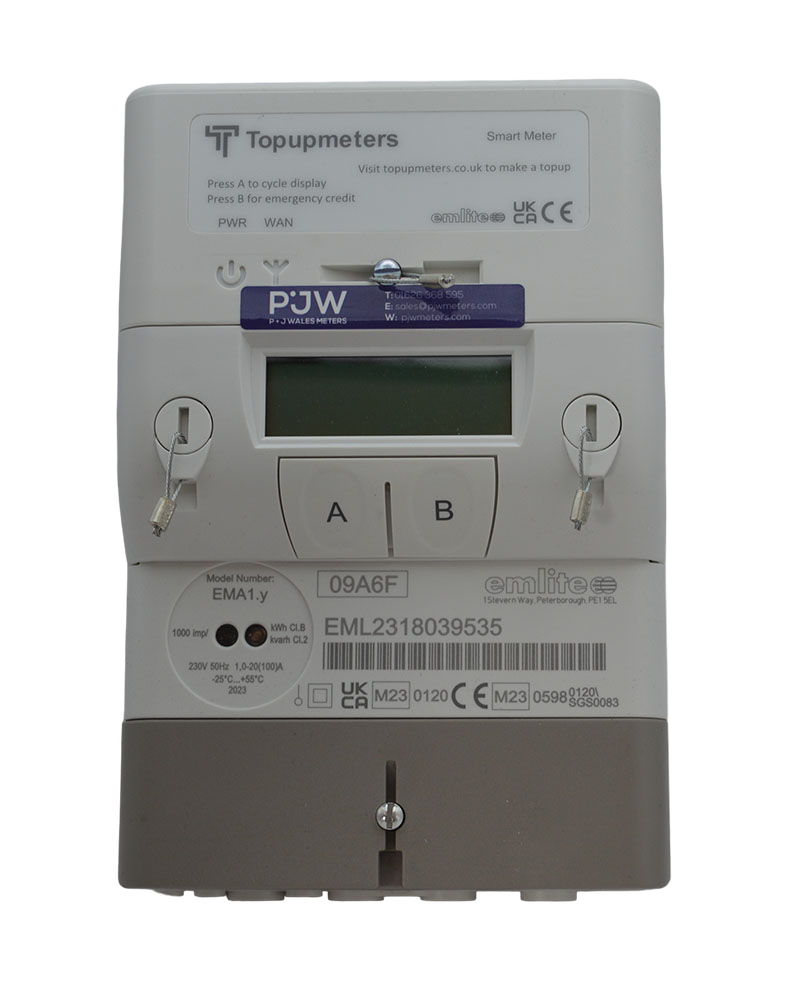
EML-TU
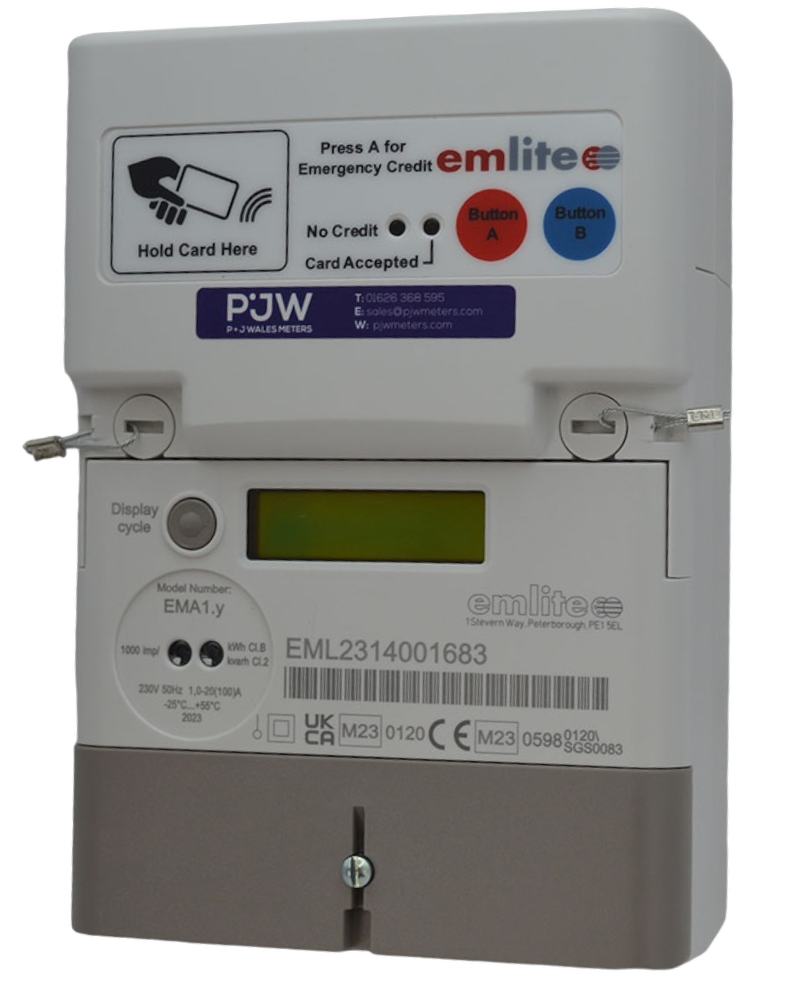
RFID CARD SYSTEM
Pros:
- Easy to use ✔
- Cards can be recharged ✔
- Service card facility for caravan cleaning ✔
- Refund cards available ✔
- Cards for clearing credit available ✔
- Refund cards available ✔
- Time and kWh functions ✔
- Cards can be encoded with a unique code ✔
- Emergency Credit Feature ✔
- Can be set as a 2 rate/day and night rate/ Economy 7 meter ✔
Cons:
- Tariffs have to be updated manually.
- Park owners have to handle cash and reconcile transactions.
- The potential for fraud (clients can say a card hasn’t worked when it really has, for example)
- The inconvenience of checking meters for kWh usage
- The inconvenience of supplying cards, recharging cards (if you chose to do so) and buying replacement cards.
- No indication of foul play (meter being bypassed, electricity being stolen, for example)
Smart Prepayment System
Pros:
- Easy to use ✔
- Payments made online or by phone ✔
- 24/7, 365 day self-sufficient operation ✔
- Change tariffs from anywhere ✔
- Remotely clear credit from the meters ✔
- Remotely add credit on the client’s behalf ✔
- Foul play email notifications ✔
- Can identify clients with excessive use ✔
- Helpful customer service team ✔
- Friendly Hours function ✔
- Money is delivered straight into the park owner’s bank account on a monthly basis ✔
- Dual Fuel product- water, gas, heat, oil and LPG can all be billed for, as well as electricity ✔
- Emergency Credit Feature ✔
- Can be set as a 2 rate/day and night rate/ Economy 7 meter ✔
- Manage multiple sites/locations in one place ✔
- Automated Transaction reports ✔
Cons:
- Only operates in kWh, so can’t be used in laundry rooms or shower rooms (we have a PT-POS cashless timer for this)
- Phone payments can only be made Monday-Friday, 9am-5pm
- Ongoing management fees and transaction charges (although this is recovered via pre-configured service charges which you set up)
Anne Marie Morris Energy Interview with PJW Meters
MP Anne Marie Morris
Energy Interview with PJW Meters
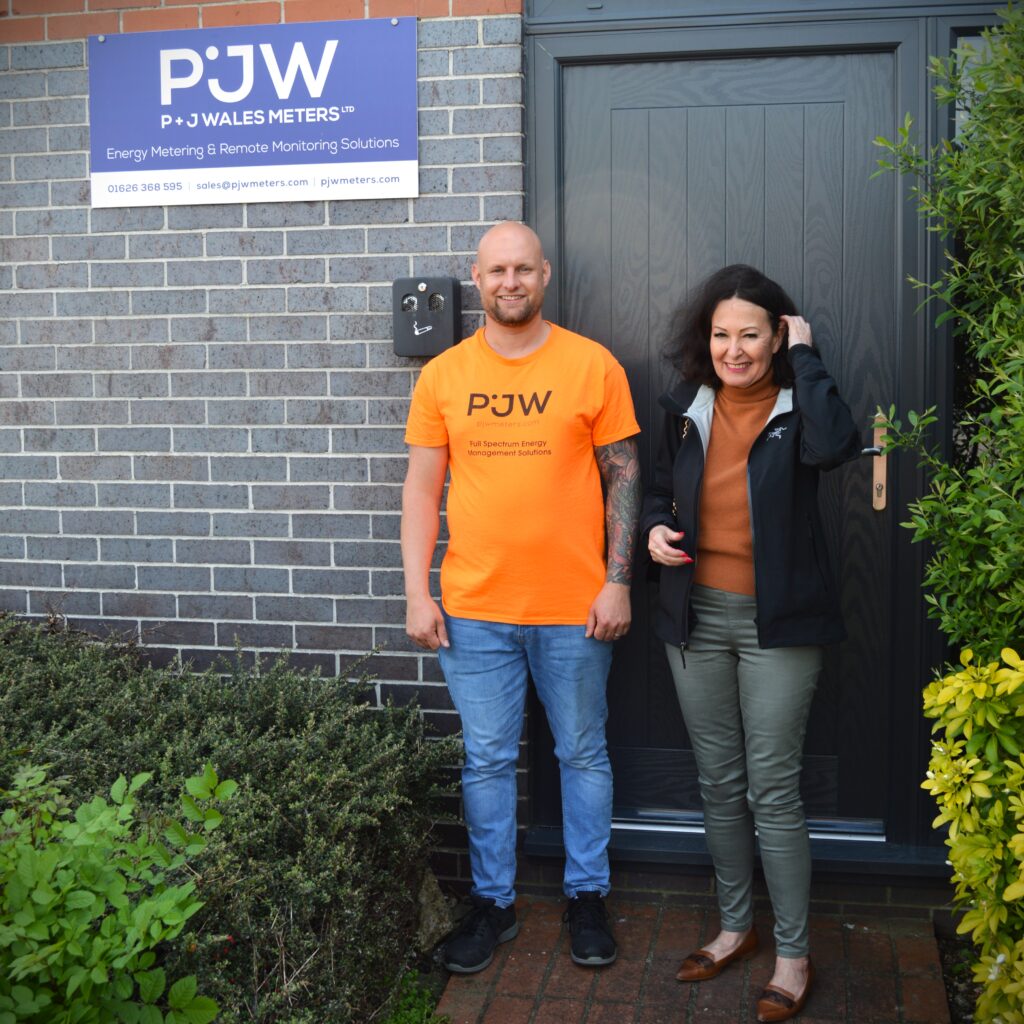
On a recent Friday in May, we at PJW Meters had the pleasure of meeting with Anne Marie Morris, the MP for Newton Abbot.
We expressed our interest in her work and her views about business in Newton Abbot, especially in regard to how they cope in the face of rising energy costs. What challenges and what opportunities are there for them, what are the short and long terms plans for navigating these fast-changing times, and what is the effect on our local economy in the midst of this.
Dealing with a Broken System
Anne Marie told us that in her position of sitting with the Public Accounts Committee, she promotes an ongoing dialogue with fellow MPs and ministers, taking the government to account for how they spend taxpayer money, and this includes energy policing issues. This is within a system which she points out is essentially broken.
As Part of her work, Anne Marie consults with various energy companies, banks, constituents, and business groups in the area, who also express their dismay and frustration in the way this is all dealt with by government organisations which seem often to be out of touch.
Much of her dialogue around energy issues centres around local business issues, commercial enterprise, from startups to large companies and businesses based around Newton Abbot and further afield. This of course also includes landlords providing accommodation for residents both of which face new challenges, and also community initiatives and resources which serve the people who live within them.
Support for Local Businesses
‘I have spent a lot of time taking the Chancellor Exchequer to task for not adequate support for businesses through this ongoing energy and cost of living crisis. The Energy Bills Discount Scheme was mostly aimed toward large businesses with high energy usage, but of course, in this area where much of the economy is based around tourism, we have a lot of smaller businesses. In the hospitality and leisure sector which includes restaurants, hotels, swimming pools, many are high energy users. You cannot just turn on a pizza oven every time a customer walks in, and hotels do have to keep the heating on for guests, many of which are elderly and need the extra warmth.’
She added that the lack of adequate support, means that people will want to take their holidays elsewhere, pricing out the domestic market here in the UK. This includes tourism in our rural areas, which are badly affected and poorly supported.
Not Enough Competition in the Energy Sector
‘Despite the requests from Government urging everyone to move on to greener energy, and despite the increasing use of wind and solar energy, the way that the producers are charged is based on the most expensive tariffs. So however efficient you are, and however much energy you produce, it doesn’t work at the retail end. That market originally expanded because the competition was priced out. Because of the malfunction of this system, and together with the effects of the energy market, we are now in a state where the system doesn’t work for the consumer, retail provider, or indeed for the producer.’
‘There is a new review going on, but that’s going to take about 7 years, which is far too long. Some things need to be fixed right now’ She states. ‘One thing that could be fixed is OFGEM, which at the moment has a limited remit for ensure the supply of energy to businesses. It is not enough.
There is nothing in place to ensure a fair and functioning competitive government marketplace. Businesses should have a choice to operate in a fair system and this is not happening. Energy companies in the domestic sector begun to effectively coalesce around similar pricing, so there is no competition there no ability to switch, which means there is no control mechanism.
With businesses, it’s even worse, and so when I asked my businesses for examples of these sorts of increases, the indication is that business energy increases are 2 or 3 times more, than what we see in the domestic sector. Furthermore, it isn’t just businesses but also the public sector and the community groups which are bearing the brunt of all this.’
Local Issues
‘As an example, nearby in Kingsteignton the swimming pool which is a huge part of their community has received a huge bill, far exceeding the sorts of bills they would have expected in the past. This swimming pool provides 6 schools with the facilities to teach children to swim and provides jobs to those who are teaching them. It is also a resource for people who are post medical operation, people who need this facility as they get older, or those who just to get fitter, and it’s a key resource for people who want to train, it’s a place for them to do that. A phenomenal resource, but yet, now because of the cost of living crises, it gets this huge bill, and the government puts in place a scheme, but the scheme fast forward is going to be limited just to public sector owned and run pools.
I’m going to have a fight, it appears that there will be some help from the government, but the details and process is still unclear, and meanwhile the bills are still coming in. This is something which is mission critical for this area.’
Changing Energy Landscape
‘As we can see, the whole structure of how energy is produced and then sold is changing in fundamental ways, everyone is affected. Clearly the aim is to ease out natural gas, an ambition that may not be met for all sorts of reasons. The challenge is that as you move to more renewables, and more local networks and systems, we have a complex system whereby energy sources are mostly being converted into electricity.
It won’t be all be centrally generated; some will be produced locally and there will be a greater pressure on the grid. We don’t have proven methods on how to stress test this, as its not just one main national grid, there are bits of it all joined together. In addition to that, there are all sorts of challenges around the storage of energy, because don’t know if we have the technical development about the backup storage that will store the excess that we create.
Generating clean electricity will work while the sun is shining and the wind is blowing, but we have to have something in between. We can aim to get to net zero, but not to zero zero, because that would be completely unachievable. Therefore, we have to think quite carefully about what we do, because you can be completely evangelical, and say everything is going to be heat pumps for example, and in the long term, we need alternatives, I believe we do need to go to nuclear energy options.
We also need to make sure that we look at matching the sources of energy, and the needs of businesses and the public, because while you can educate end users to use less, and you can make machinery more efficient, nonetheless, as the population goes up, there will continue to be an increase in demand. So how do we get that match, how do we sensibly work out what we do where.’
Challenges in our Rural Homes and Businesses
‘My challenge, in a largely rural constituency, is that I have a lot of constituents, pubs and businesses who are off grid. They use oil, or they use Calor gas. The government in its wisdom, believe that the first target area for heat pumps should be rural. It did an analysis and worked out that 80% of rural properties could be converted, but this is not the case. You have pub walls, you have flooring with nothing underneath, you don’t have cavity walls to fill with insulation, you have thatched roofs, no damp proofing, nothing.
Heat pumps can only work effectively, if a property is properly insulated. There is no way that you can retrofit all of these, not to mention achieve this in economically viable ways. The government would be far better to focus the heat pump rollout to new builds.
My view is that in terms of solar power, heat pumps and all the rest of it; legislation should be brought forward, to rewire all new builds and fit these with solar panels heat pumps and so on. The government is not doing this, because manufacturers of these products need more time to develop the ‘kit’ needed to do all this. Well this is all the more true if you are looking to roll out all this kit for rural properties then. The government ministers that are dealing with this are starting to recognise that some of these aims are completely unachievable.’
Consumer Focus
‘The reality is, if you don’t make this something people want, which is affordable, and which doesn’t require you to totally gut and redecorate your house, no one is going to do go ahead with some of these conversions. With homes, pubs, some businesses, this is the one asset people really care about, and they don’t necessarily want the government to tell them what to do, just because they say so.
We all see the benefits of being greener and more efficient in how we use energy, but in their initiatives, the government needs to be realistic, and focus it priorities. They need to inform the public about some of the products, and how they may benefit them in the long run, improve the quality of their lives, and let people decide for themselves.’
Alternative Choices
‘As for natural gas, we have to be cognisant that 50% of housing in the UK is using natural gas. They’re not just going to switch it off. We should be recognising that heat pumps, which are based on the heat of the earth, are only ever going to get the temperature to a certain level, so you are always going to have to supplement. In our communities, we have many older people, young children, the disabled, their needs have to be taken into account.
Hydrogen is one of the cleanest new gases used, green rather than blue. The government should be doing all it can into promoting the use of hydrogen gas and also nuclear energy. This won’t happen overnight, we would need to produce this in enough quantity, then dealing with the waste product generating it, as well as changing the pipe work going into houses. It all takes time, but the alternative, the heat pumps that the government is wants us to use, is not going to be adopted as readily as they hope, its just not practical.
I believe that the government needs to go with this hydrogen revolution, sort out the pipework in plastic, and sort out all future boiler manufacture, to make them multi-functional, to be able to use gas and then hydrogen.
As for the use of Calor gas, there is a greener replacement, a vegetable-based product which is already being used. This relies on using the waste product made from the disused oil of vegetables.’
Moving Forward
‘What then can we do, as businesses, about all the pressures and challenges that are before us ? Anne Marie believes that the focus needs to be about the consumer, and the impact on the consumer, business owners, individuals within communities. This is where change can best take place.
Give people choices, provide clear and transparent information, options which will benefit their communities, this is key. Things like solar panels for example. There has been no effort to try to look into how we can improve them visually, and functionally. Put them up on industrial building, absolutely, but for retaining the character of homes, pubs, restaurants, tourist destinations, we need to focus on producing options that people really want. It is entirely possible to make solar panels that look like roof tiles for example, and if you offer this, the demand will rise, and the costs, aesthetics, and purpose of these will start to make more sense to the consumer.
Things the govt could do which are much more consumer focused, and it is up to consumers and businesses to urge governments to take notice. We know that government has set targets in the energy industry, but there are things that the government can do to make it more attractive to consumers to save use greener energy and save on the high costs of energy.
The government is in the process of establishing a planning body, but not one part of this deals with this from a consumer’s perspective. No consideration about how this will affect how people will live and operate in their homes and businesses, how they do things, how they use transport. You really need to do some sort of an impact assessment, about what and how things should be implemented. It should not just be a case of telling people what to do, because it’s the ‘right thing to do’. People don’t respond well to being ‘talked at’, rather than feeling informed participants in the process we are all part of.
At the moment, energy companies have been given a target as to how many meters get installed, and much of this is very hard sell, even aggressive. There are many useful products on the market, which are manufactured to help people monitor, reduce, actually bring down the costs of energy, people are naturally resistant to these, because of the government approach.’
In closing
It is true, as Anne Marie has pointed out, that it is up to us, the consumers, businesses, individuals, to create change, to vote with our buying power and other decisions we make in our communities. It is up to us to tell the government about the effects of the decisions that they set out, and the effects that they have on our lives and livelihoods.
This is a worthy call to action for us all, as doing something is always a better alternative to doing nothing at all. Anne Marie has a passion for small businesses in this area, where there is an especially important economy for businesses involving tourism, many of which are small family run businesses. She has offered to hear out anyone who would like to discuss these concerns with her, and has promised to take it to parliament and put up a fight on our behalf.
As for us, PJW would also like to see how we can bring businesses together, and see what we can do, collectively. More about this coming soon !
Compton Park Camping & Caravan Site – Testimonial for PJW Meters
PJW Utility Meters for Compton Park Camping & Caravan Site
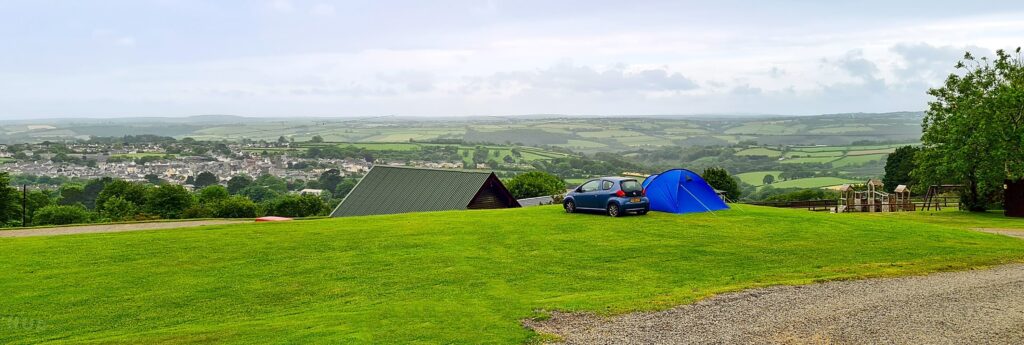
Thank you for a great review from the the Picturesque Compton Park Camping and Caravan Site. We upgraded the site’s unmetered and unmonitored energy system, to bring convenience and ease of use to guests and hosts alike.
“ As the costs of energy rose we had no detailed breakdown of our visitors usage. PJW Meters provided an exact pre-paid Metering solution with Hook-ups and Pedestal upgrades. This has transformed our energy provision giving us an accurate and convenient means of monitoring precise pitch energy consumption.
I would have no hesitation in recommending PJW Meters to other Caravan camping sites” Jamie – Director.
If you are planning a holiday in Cornwall, definitely book a visit here:
Compton Park Camping & Caravan Site
If you need Caravan metering solutions, definitely visit us !